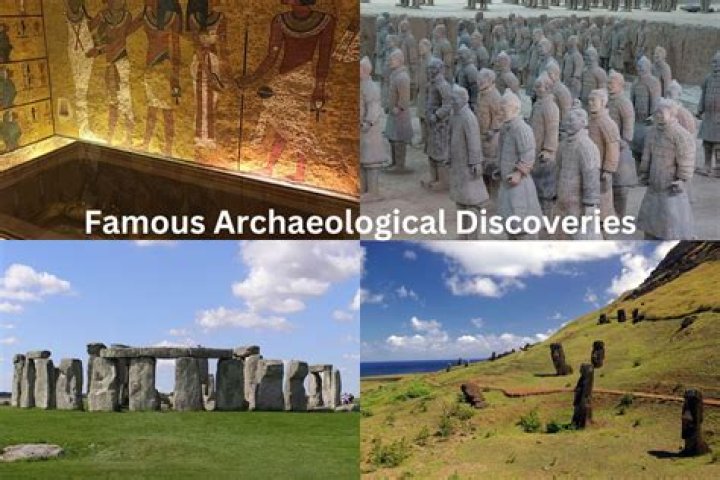
Tin patrimonio, or "cultural heritage" in English, refers to the tangible and intangible cultural assets of a community that are passed down from generation to generation. These assets can include historical buildings, monuments, artifacts, traditions, practices, and knowledge.
Tin patrimonio is important because it provides a sense of identity and continuity for a community. It helps people to understand their roots and to connect with their ancestors. It can also promote tourism and economic development. Additionally, tin patrimonio can raise awareness of environmental issues and the importance of preserving natural resources.
There are many ways to preserve tin patrimonio. One way is to document it. This can be done through written records, photographs, or audio recordings. Another way to preserve tin patrimonio is to create museums or historical sites. Finally, it is important to educate people about the importance of tin patrimonio and to encourage them to participate in its preservation.
Tin Patrimonio
Tin patrimonio, or "cultural heritage" in English, encompasses a community's cultural and historical assets. These assets contribute to a sense of identity, continuity, and well-being for a community. Preserving and promoting tin patrimonio is essential for understanding our roots, fostering cultural diversity, and promoting sustainable development.
- Tangible: Historical buildings, monuments, artifacts, and works of art.
- Intangible: Traditions, practices, knowledge, and language.
- Identity: Provides a sense of belonging and connection to a community.
- Continuity: Links the past, present, and future generations.
- Diversity: Celebrates and preserves the unique cultural expressions of different communities.
- Tourism: Attracts visitors and generates economic benefits.
- Education: Raises awareness about history, culture, and environmental issues.
- Sustainability: Promotes the preservation of natural and cultural resources for future generations.
- Resilience: Helps communities withstand challenges and adapt to change.
For example, the Great Wall of China is a tangible piece of tin patrimonio that represents the rich history and architectural achievements of the Chinese people. The intangible tin patrimonio of the Maya civilization includes their complex system of writing, their knowledge of astronomy, and their traditional textiles. Both tangible and intangible tin patrimonio are essential for understanding the diversity and richness of human culture.
Tangible
Tangible cultural heritage, which includes historical buildings, monuments, artifacts, and works of art, plays a crucial role in preserving and transmitting a community's tin patrimonio. These tangible assets provide physical evidence of a community's history, culture, and traditions.
- Historical buildings and monuments, such as churches, temples, and government buildings, showcase the architectural styles and engineering feats of past civilizations. They often serve as gathering places for community events and religious ceremonies, fostering a sense of continuity and belonging.
- Artifacts, such as tools, weapons, and pottery, offer insights into the daily lives and technological advancements of our ancestors. They can reveal information about past economies, trade networks, and cultural practices.
- Works of art, including paintings, sculptures, and textiles, reflect the creativity and artistic traditions of a community. They can provide valuable insights into historical events, religious beliefs, and social values.
Preserving and protecting tangible cultural heritage is essential for maintaining a community's identity and connection to its past. These tangible assets serve as educational resources, tourist attractions, and sources of inspiration for future generations. By safeguarding our tangible cultural heritage, we ensure that future generations can appreciate and learn from the rich tapestry of human history and culture.
Intangible
Intangible cultural heritage, encompassing traditions, practices, knowledge, and language, forms the very essence of tin patrimonio. These intangible assets are the living expressions of a community's identity, passed down from generation to generation through oral traditions, social interactions, and cultural practices.
- Traditions and practices, such as rituals, ceremonies, and festivals, provide a sense of continuity and belonging within a community. They reinforce cultural values, foster social cohesion, and connect people to their shared history.
- Knowledge, including traditional medicine, agricultural techniques, and craftsmanship, represents the accumulated wisdom and skills of a community. It ensures the preservation of valuable knowledge and expertise that may not be easily accessible through formal education.
- Language is a powerful vehicle for transmitting cultural heritage. It carries the stories, songs, and beliefs of a community, shaping its worldview and providing a unique perspective on the world.
Preserving and promoting intangible cultural heritage is crucial for maintaining the diversity and vitality of tin patrimonio. These intangible assets are often underrepresented or undervalued, yet they play a profound role in shaping our identities and connecting us to our cultural roots. By safeguarding our intangible cultural heritage, we ensure that future generations can continue to experience and appreciate the richness and diversity of human culture.
Identity
Cultural heritage, or "tin patrimonio," is inextricably linked to identity, fostering a sense of belonging and connection within a community. It serves as a tangible and intangible representation of a group's shared history, values, and traditions, providing individuals with a sense of rootedness and purpose.
Tin patrimonio plays a crucial role in shaping individual and collective identities. Through shared experiences, rituals, and practices, people develop a sense of belonging to a particular community. This sense of belonging is essential for human well-being and social cohesion, contributing to feelings of security, stability, and self-worth.
For instance, the traditional music and dance of a community can serve as powerful symbols of its identity, uniting people across generations. The preservation and transmission of these cultural expressions help maintain a sense of continuity and connection to the past, present, and future.
Understanding the connection between tin patrimonio and identity is of practical significance as it highlights the importance of safeguarding and promoting cultural heritage for the well-being of individuals and communities. By recognizing and valuing the role of tin patrimonio in shaping identity, we can foster inclusive societies that celebrate diversity and promote intercultural dialogue.
Continuity
Tin patrimonio, or cultural heritage, encompasses the tangible and intangible assets of a community that are passed down from generation to generation. These assets provide a sense of continuity and connection between the past, present, and future generations of a community.
Continuity is essential for a community's identity and well-being. It allows people to understand their roots and to connect with their ancestors. It also helps to ensure that the traditions, values, and knowledge of a community are not lost. Tin patrimonio plays a vital role in promoting continuity by providing a tangible and intangible link between the past, present, and future.
For example, a historical building can serve as a reminder of a community's past and can help to connect people to their ancestors. A traditional dance or song can help to preserve a community's culture and traditions and can be passed down from generation to generation. These are just a few examples of how tin patrimonio can promote continuity and help to ensure that a community's identity and traditions are not lost.
Understanding the connection between tin patrimonio and continuity is important for several reasons. First, it helps us to appreciate the importance of preserving and protecting tin patrimonio. Second, it helps us to understand how tin patrimonio can be used to promote continuity and to strengthen communities. Finally, it helps us to see how tin patrimonio can be used to create a more sustainable future.
Diversity
Tin patrimonio, or cultural heritage, encompasses the tangible and intangible assets of a community that are passed down from generation to generation. These assets provide a sense of identity and continuity for a community, and they also celebrate and preserve the unique cultural expressions of different communities.
- Recognition and Appreciation
Tin patrimonio helps to recognize and appreciate the diverse cultural expressions of different communities. By documenting and preserving these expressions, we can gain a better understanding of the world's cultures and their contributions to human history. - Cultural Exchange
Tin patrimonio can facilitate cultural exchange and dialogue between different communities. By sharing our cultural heritage with others, we can learn about different perspectives and ways of life, and we can build bridges between cultures. - Preservation of Endangered Heritage
Tin patrimonio can help to preserve endangered cultural heritage. By raising awareness of the importance of cultural heritage and by providing support for its preservation, we can help to ensure that future generations can enjoy and learn from the cultural expressions of different communities. - Promotion of Cultural Diversity
Tin patrimonio can promote cultural diversity and inclusion. By celebrating and preserving the unique cultural expressions of different communities, we can create a more inclusive and equitable society.
In conclusion, tin patrimonio plays a vital role in celebrating and preserving the unique cultural expressions of different communities. By recognizing, appreciating, and preserving cultural heritage, we can promote cultural diversity, facilitate cultural exchange, and build a more inclusive and equitable society.
Tourism
Tin patrimonio, or cultural heritage, can be a major driver of tourism, attracting visitors from around the world. This can have a significant economic impact on communities, generating revenue and creating jobs.
- Increased revenue
Tourism can bring in significant revenue for communities, as visitors spend money on accommodation, food, transportation, and souvenirs. This revenue can be used to support local businesses and infrastructure, and to provide essential services. - Job creation
Tourism can create jobs in a variety of sectors, including hospitality, transportation, and retail. These jobs can provide much-needed income for local residents and help to boost the local economy. - Preservation of cultural heritage
Tourism can also help to preserve cultural heritage by raising awareness of its importance and by providing funding for its preservation. This can help to ensure that future generations can enjoy and learn from the cultural heritage of their ancestors.
Overall, tin patrimonio can be a valuable asset for communities, attracting visitors and generating economic benefits. By carefully managing and promoting their cultural heritage, communities can create a sustainable and prosperous future.
Education
Tin patrimonio, or cultural heritage, plays a crucial role in educating people about history, culture, and environmental issues. By preserving and promoting cultural heritage, we can raise awareness of the importance of these issues and inspire people to take action.
- History
Tin patrimonio can help us to understand our history and the cultures that have shaped our world. By studying historical buildings, monuments, and artifacts, we can learn about the lives of our ancestors and the challenges they faced. This knowledge can help us to make informed decisions about the future. - Culture
Tin patrimonio can also help us to understand different cultures and their unique perspectives on the world. By experiencing different cultures through their art, music, and traditions, we can develop a greater appreciation for diversity and inclusivity. - Environmental issues
Tin patrimonio can also raise awareness about environmental issues and the importance of preserving our natural heritage. By studying the traditional knowledge and practices of indigenous peoples, we can learn about sustainable ways to live in harmony with the environment.
Overall, tin patrimonio is a valuable resource for education. By preserving and promoting our cultural heritage, we can raise awareness about important issues and inspire people to make a difference in the world.
Sustainability
Tin patrimonio plays a vital role in promoting sustainability by preserving natural and cultural resources for future generations. This connection is evident in several key facets:
- Environmental Conservation
Tin patrimonio often includes natural resources, such as forests, rivers, and mountains, that have cultural and historical significance. By preserving these resources, tin patrimonio helps to protect the environment and ensure that these resources are available for future generations to enjoy. - Cultural Continuity
Tin patrimonio also includes cultural resources, such as traditional knowledge, practices, and beliefs, that are essential for the continuity of a community. By preserving these resources, tin patrimonio helps to ensure that future generations can learn about and appreciate their cultural heritage. - Economic Sustainability
Tin patrimonio can also contribute to economic sustainability by attracting tourists and generating revenue for local communities. This revenue can be used to support conservation efforts and promote sustainable development. - Education and Awareness
Tin patrimonio can also be used to educate people about the importance of sustainability and environmental conservation. By raising awareness of these issues, tin patrimonio can help to inspire people to take action and make choices that are more sustainable.
In conclusion, tin patrimonio plays a vital role in promoting sustainability by preserving natural and cultural resources, fostering economic sustainability, and educating people about the importance of these issues. By safeguarding our tin patrimonio, we can ensure that future generations will be able to enjoy the benefits of these resources and live in a more sustainable world.
Resilience
Tin patrimonio, or cultural heritage, plays a crucial role in helping communities withstand challenges and adapt to change. This is because tin patrimonio provides a sense of identity and continuity for a community, which can help to strengthen community bonds and provide support during difficult times. Additionally, tin patrimonio can provide practical resources, such as traditional knowledge and skills, that can help communities to adapt to new circumstances.
For example, in the aftermath of a natural disaster, a community's tin patrimonio can provide a sense of comfort and stability. This is because tin patrimonio can remind people of their shared history and culture, and can help them to feel connected to their community. Additionally, tin patrimonio can provide practical resources, such as traditional knowledge about how to rebuild homes or grow food, that can help communities to recover from a disaster.
Another example of how tin patrimonio can help communities to withstand challenges and adapt to change is by providing a source of inspiration. When people see how their ancestors have overcome challenges in the past, it can give them the strength to face their own challenges. Additionally, tin patrimonio can provide a sense of hope for the future. By reminding people of their community's rich history and culture, tin patrimonio can help them to believe that they can overcome any challenge.
The understanding of the connection between tin patrimonio and resilience is important for several reasons. First, it can help communities to develop strategies for building resilience. Second, it can help decision-makers to understand the importance of supporting tin patrimonio. Finally, it can help to raise awareness of the importance of tin patrimonio for the well-being of communities.
Tin patrimonio FAQs
Tin patrimonio, or cultural heritage, refers to the tangible and intangible assets of a community that are passed down from generation to generation. It includes historical buildings, monuments, artifacts, traditions, practices, and knowledge. Tin patrimonio is important for a community's sense of identity, continuity, and well-being.
Question 1: What is the difference between tangible and intangible tin patrimonio?
Answer: Tangible tin patrimonio refers to physical objects, such as buildings, monuments, and artifacts. Intangible tin patrimonio refers to non-physical assets, such as traditions, practices, knowledge, and language.
Question 2: Why is tin patrimonio important?
Answer: Tin patrimonio is important for a community's sense of identity, continuity, and well-being. It provides a link to the past, present, and future, and it can help communities to withstand challenges and adapt to change.
Question 3: How can tin patrimonio be preserved?
Answer: Tin patrimonio can be preserved through documentation, conservation, and education. Documentation involves recording and archiving information about tin patrimonio. Conservation involves protecting tin patrimonio from damage or destruction. Education involves raising awareness about the importance of tin patrimonio and encouraging people to participate in its preservation.
Question 4: What are some examples of tin patrimonio?
Answer: Examples of tin patrimonio include historical buildings, monuments, artifacts, traditional dances, music, and languages.
Question 5: How can tin patrimonio be used to promote sustainable development?
Answer: Tin patrimonio can be used to promote sustainable development by raising awareness about environmental issues, promoting traditional knowledge and practices, and encouraging cultural tourism.
Question 6: What are the benefits of preserving tin patrimonio?
Answer: Preserving tin patrimonio has many benefits, including fostering a sense of identity and continuity, promoting cultural diversity, boosting tourism, and providing educational opportunities.
Summary: Tin patrimonio is a valuable asset for communities around the world. It provides a sense of identity, continuity, and well-being. Preserving and promoting tin patrimonio is essential for sustainable development.
Transition to the next article section: Tin patrimonio is a complex and multifaceted topic. The FAQs above provide a brief overview of some of the key issues. For more in-depth information, please consult the resources listed below.
Tips for Preserving Tin Patrimonio
Tin patrimonio, or cultural heritage, is a valuable asset for communities around the world. It provides a sense of identity, continuity, and well-being. Preserving and promoting tin patrimonio is essential for sustainable development.
Tip 1: Document your tin patrimonio.
This can be done through written records, photographs, or audio recordings. Documentation helps to create a record of your tin patrimonio and makes it accessible to future generations.
Tip 2: Conserve your tin patrimonio.
This means taking steps to protect your tin patrimonio from damage or destruction. Conservation can include Manahmen such as repairing historical buildings, restoring artifacts, and digitizing archival materials.
Tip 3: Educate people about your tin patrimonio.
This can be done through public outreach programs, school curricula, and cultural events. Education helps to raise awareness about the importance of tin patrimonio and encourages people to participate in its preservation.
Tip 4: Promote sustainable tourism.
Tourism can be a valuable source of revenue for communities, but it can also damage tin patrimonio if it is not managed properly. Promote sustainable tourism by encouraging visitors to respect tin patrimonio and by supporting local businesses that are committed to preserving it.
Tip 5: Support local artisans and craftspeople.
Local artisans and craftspeople play a vital role in preserving traditional skills and knowledge. Support them by buying their products and by promoting their work.
Summary: Preserving tin patrimonio is a complex and challenging task, but it is essential for sustainable development. By following these tips, you can help to protect your tin patrimonio and ensure that it is enjoyed by future generations.
Transition to the article's conclusion: Preserving tin patrimonio is a worthwhile investment in the future. By taking steps to protect and promote your tin patrimonio, you can help to create a more sustainable and prosperous community.
Conclusion
Tin patrimonio, or cultural heritage, is a precious and irreplaceable asset that connects us to our past, present, and future. It encompasses the tangible and intangible expressions of a community's identity, history, and values. Preserving and promoting tin patrimonio is essential for sustainable development, as it fosters a sense of belonging, cultural diversity, economic growth, and environmental sustainability.
By understanding the significance of tin patrimonio and taking steps to protect and promote it, we can create a more just, equitable, and prosperous world for generations to come. Tin patrimonio is not merely a relic of the past but a living and dynamic force that shapes our present and will continue to inspire our future.
Unveiling The Art Of Memory And Transformation: Discoveries In Meria Heller's World
Unveiling The Profound Difference: Personality Vs. Attitude
Unveil The Impactful World Of Mireya Moreno: Discoveries And Insights