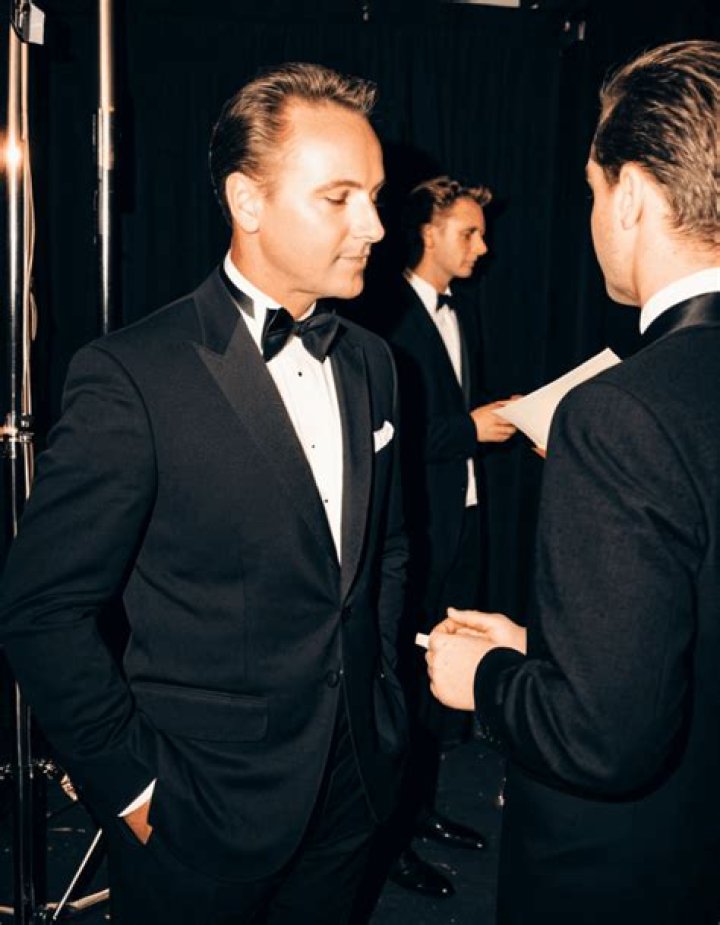
Alec Wildenstein (1940-2008) was a French-American art dealer and racehorse owner. He was known for his lavish lifestyle and his collection of Impressionist and Post-Impressionist paintings, which he purchased for inflated prices in the 1980s and 1990s.
Wildenstein was born in Paris, France, into a wealthy family of art dealers. He began collecting art in the 1970s, and by the 1980s, he was one of the most active buyers in the art market. He was known for his aggressive bidding style and his willingness to pay top dollar for works by his favorite artists, such as Vincent van Gogh, Pablo Picasso, and Claude Monet.
Wildenstein's lavish lifestyle and his controversial art purchases made him a target of criticism. He was accused of being a "vulgarian" and a "nouveau riche" who had no appreciation for art. However, his defenders argued that he was a shrewd businessman who had a keen eye for quality. Regardless of the criticism, Wildenstein remained one of the most influential figures in the art world until his death in 2008.
Alec Wildenstein
Alec Wildenstein (1940-2008) was a French-American art dealer and racehorse owner. He was known for his lavish lifestyle and his collection of Impressionist and Post-Impressionist paintings.
- Art collector
- Racehorse owner
- Lavish lifestyle
- Aggressive bidding style
- Controversial art purchases
- Target of criticism
- Shrewd businessman
- Influential figure in the art world
Wildenstein's key aspects are all interconnected and reflect his complex and controversial personality. He was a passionate art collector who was willing to pay top dollar for works by his favorite artists. He was also a shrewd businessman who had a keen eye for quality. However, his lavish lifestyle and his aggressive bidding style made him a target of criticism. Despite the criticism, Wildenstein remained one of the most influential figures in the art world until his death in 2008.
| Name | Alec Wildenstein |
| Birth | 1940 |
| Death | 2008 |
| Nationality | French-American |
| Occupation | Art dealer, racehorse owner |
| Known for | Lavish lifestyle, art collection, aggressive bidding style |
Art collector
Alec Wildenstein was a passionate art collector who amassed a vast collection of Impressionist and Post-Impressionist paintings. He was known for his aggressive bidding style and his willingness to pay top dollar for works by his favorite artists, such as Vincent van Gogh, Pablo Picasso, and Claude Monet.
- Discerning eye
Wildenstein had a keen eye for quality and was able to spot promising artists early in their careers. He was also willing to take risks on lesser-known artists, and his collection included works by many artists who are now considered to be masters.
- Aggressive bidding
Wildenstein was known for his aggressive bidding style. He was willing to pay top dollar for works that he wanted, and he often outbid other collectors by a significant margin. His aggressive bidding style helped him to acquire some of the most important works of art in the world.
- Private collection
Wildenstein's art collection was largely kept private. He rarely loaned works to museums or galleries, and he only allowed a select few people to view his collection. This secrecy added to the mystique of Wildenstein and his collection.
- Legacy
Wildenstein's art collection is one of the most important private collections in the world. It includes works by some of the most famous artists in history, and it is a testament to Wildenstein's passion for art. His collection will continue to be enjoyed by generations to come.
Wildenstein's art collection is a reflection of his personality and his passions. He was a shrewd businessman who had a keen eye for quality. He was also a passionate collector who was willing to pay top dollar for works that he loved. Wildenstein's collection is a testament to his love of art and his commitment to preserving it for future generations.
Racehorse owner
In addition to being an art collector, Alec Wildenstein was also a passionate racehorse owner. He owned and raced some of the most successful racehorses in the world, including the legendary Frankel.
Wildenstein's interest in horse racing began in the 1970s. He quickly became one of the most successful owners in the sport, winning numerous races and earning millions of dollars in prize money. Wildenstein's horses were known for their speed and stamina, and they were often the favorites in major races.
Wildenstein's success in horse racing was due in part to his willingness to invest in the best horses and trainers. He also had a keen eye for talent, and he was able to spot promising horses early in their careers.
Wildenstein's passion for horse racing was evident in everything he did. He owned a state-of-the-art training facility in France, and he spent countless hours studying pedigrees and race results. He was also a generous supporter of the sport, and he donated millions of dollars to charities that support horse racing.
Wildenstein's legacy as a racehorse owner is secure. He was one of the most successful owners in the sport, and he played a major role in the development of horse racing in the United States and Europe.
Lavish lifestyle
Alec Wildenstein was known for his lavish lifestyle. He spent millions of dollars on art, racehorses, and other luxuries. He also threw lavish parties and lived in a luxurious mansion.
- Spending habits
Wildenstein was a notorious spendthrift. He spent millions of dollars on art, racehorses, and other luxuries. He was known to buy multiple works by his favorite artists and to pay top dollar for them. He also spent lavishly on parties and other social events.
- Social life
Wildenstein was a socialite who enjoyed the company of celebrities and other wealthy people. He threw lavish parties at his homes in New York City and Paris. He was also a regular at nightclubs and other social events.
- Homes
Wildenstein lived in a number of luxurious homes, including a mansion in New York City and a chateau in France. His homes were filled with expensive art and furniture. He also had a private jet and a yacht.
- Legacy
Wildenstein's lavish lifestyle was a reflection of his personality. He was a passionate and impulsive man who loved to live life to the fullest. His lifestyle was also a source of controversy, and he was often criticized for his extravagance. However, there is no doubt that Wildenstein lived a life of luxury and excess.
Wildenstein's lavish lifestyle was a reflection of his personality and his passions. He was a passionate collector who loved to surround himself with beautiful things. He was also a socialite who enjoyed the company of celebrities and other wealthy people. Wildenstein's lifestyle was a testament to his love of life and his commitment to living it to the fullest.
Aggressive bidding style
Alec Wildenstein was known for his aggressive bidding style in the art market. He was willing to pay top dollar for works by his favorite artists, and he often outbid other collectors by a significant margin. This aggressive bidding style helped him to acquire some of the most important works of art in the world.
There are several reasons why Wildenstein's aggressive bidding style was so effective. First, he had a deep understanding of the art market and was able to spot valuable works of art that were undervalued by other collectors. Second, he was willing to take risks and bid on works that other collectors were hesitant to bid on. Third, he had the financial resources to back up his aggressive bidding style.
Wildenstein's aggressive bidding style had a significant impact on the art market. It helped to drive up the prices of works by his favorite artists, and it also made it more difficult for other collectors to acquire these works. However, Wildenstein's aggressive bidding style also helped to ensure that some of the most important works of art in the world were acquired by museums and other institutions where they could be enjoyed by the public.
Wildenstein's aggressive bidding style is a reminder that the art market is a competitive one. Collectors who are willing to take risks and bid aggressively can often acquire the most valuable works of art. However, it is important to remember that aggressive bidding can also lead to overpaying for works of art. Collectors should carefully consider their budget and their collecting goals before bidding on works of art.
Controversial art purchases
Alec Wildenstein was a controversial figure in the art world, known for his aggressive bidding style and his willingness to pay top dollar for works of art. He was also known for his controversial art purchases, which often involved paying inflated prices for works of art that were not considered to be of high quality.
There are several reasons why Wildenstein's art purchases were so controversial. First, he was often willing to pay far more for works of art than other collectors. This led to accusations that he was driving up the prices of art and making it more difficult for other collectors to acquire works of art. Second, Wildenstein was often accused of buying works of art simply because they were expensive, rather than because he had any real appreciation for them. This led to accusations that he was not a true art collector, but rather a speculator who was interested in making a profit.
Despite the controversy, Wildenstein's art purchases had a significant impact on the art market. His willingness to pay top dollar for works of art helped to drive up the prices of works by his favorite artists. It also made it more difficult for other collectors to acquire these works. However, Wildenstein's art purchases also helped to ensure that some of the most important works of art in the world were acquired by museums and other institutions where they could be enjoyed by the public.
Wildenstein's controversial art purchases are a reminder that the art market is a complex and often unpredictable one. Collectors who are willing to take risks and bid aggressively can often acquire the most valuable works of art. However, it is important to remember that aggressive bidding can also lead to overpaying for works of art. Collectors should carefully consider their budget and their collecting goals before bidding on works of art.
Target of criticism
Alec Wildenstein was a target of criticism for his lavish lifestyle, his aggressive bidding style in the art market, and his controversial art purchases. Critics accused him of being a "vulgarian" and a "nouveau riche" who had no appreciation for art. They also accused him of driving up the prices of art and making it more difficult for other collectors to acquire works of art.
Despite the criticism, Wildenstein remained one of the most influential figures in the art world until his death in 2008. His aggressive bidding style helped him to acquire some of the most important works of art in the world, and his willingness to pay top dollar for works of art helped to drive up the prices of works by his favorite artists. However, his controversial art purchases also led to accusations that he was not a true art collector, but rather a speculator who was interested in making a profit.
Wildenstein's legacy is a complex one. He was a passionate art collector who amassed a vast collection of Impressionist and Post-Impressionist paintings. He was also a shrewd businessman who had a keen eye for quality. However, his lavish lifestyle and his aggressive bidding style made him a target of criticism. Despite the criticism, Wildenstein remains one of the most important figures in the art world, and his collection is a testament to his passion for art.
Shrewd businessman
Alec Wildenstein was known for being a shrewd businessman. He had a keen eye for quality and was able to spot promising artists early in their careers. He was also willing to take risks on lesser-known artists, and his collection included works by many artists who are now considered to be masters.
Wildenstein's business acumen was evident in his ability to acquire some of the most important works of art in the world. He was willing to pay top dollar for works that he wanted, and he often outbid other collectors by a significant margin. However, Wildenstein was also a shrewd negotiator, and he was able to acquire many works of art for less than their market value.
Wildenstein's business skills were also evident in his management of his art collection. He was able to keep his collection private and secure, and he was able to avoid paying taxes on many of his works of art. Wildenstein's business acumen allowed him to build one of the most important private art collections in the world.
The connection between "shrewd businessman" and "Alec Wildenstein" is significant because it shows how Wildenstein's business skills helped him to build his art collection. Wildenstein was able to use his knowledge of the art market and his negotiating skills to acquire some of the most important works of art in the world. His business acumen also allowed him to keep his collection private and secure.
The practical significance of understanding the connection between "shrewd businessman" and "Alec Wildenstein" is that it can help collectors to learn how to build their own collections. Collectors can learn from Wildenstein's example and use his business skills to acquire important works of art.
Influential figure in the art world
Alec Wildenstein was an influential figure in the art world, best known for his passion for collecting Impressionist and Post-Impressionist art and his lavish lifestyle. His impact on the art world can be seen in several key areas.
- Art collecting
Wildenstein's art collection was one of the most important private collections in the world. He had a keen eye for quality and was able to spot promising artists early in their careers. He was also willing to pay top dollar for works that he wanted, and he often outbid other collectors by a significant margin. Wildenstein's art collection helped to raise the profile of many artists and played a major role in shaping the art market.
- Philanthropy
Wildenstein was a generous philanthropist who supported a number of art institutions. He donated millions of dollars to museums and galleries, and he also helped to fund art exhibitions and educational programs. Wildenstein's philanthropy helped to make art more accessible to the public and to support the development of new artists.
- Influence on other collectors
Wildenstein's passion for art and his willingness to pay top dollar for works that he wanted had a significant impact on other collectors. He helped to raise the prices of art and to make it more difficult for other collectors to acquire works by the most popular artists. However, Wildenstein also helped to inspire other collectors to pursue their own passions and to build their own collections.
- Legacy
Wildenstein's legacy is secure. He was one of the most important art collectors of the 20th century, and his collection is now housed in the Wildenstein Institute in Paris. Wildenstein's philanthropy and his influence on other collectors helped to shape the art world, and his legacy will continue to inspire future generations of art lovers.
In conclusion, Alec Wildenstein was an influential figure in the art world because of his passion for art, his willingness to pay top dollar for works that he wanted, and his generosity to art institutions. His influence can still be seen today in the prices of art, the popularity of certain artists, and the way that collectors build their collections.
Frequently Asked Questions about Alec Wildenstein
This section provides answers to some of the most frequently asked questions about Alec Wildenstein, a prominent art collector and racehorse owner known for his lavish lifestyle and controversial art purchases.
Question 1: Who was Alec Wildenstein?
Alec Wildenstein was a French-American art collector and racehorse owner who lived from 1940 to 2008. He was known for his lavish lifestyle, his aggressive bidding style in the art market, and his controversial art purchases.
Question 2: What was Alec Wildenstein's art collection known for?
Alec Wildenstein's art collection was known for its large size and its focus on Impressionist and Post-Impressionist paintings. Wildenstein was a passionate collector who amassed a vast collection of works by renowned artists such as Vincent van Gogh, Pablo Picasso, and Claude Monet.
Question 3: What was Alec Wildenstein's involvement in horse racing?
Alec Wildenstein was a successful racehorse owner who owned and raced some of the most successful racehorses in the world, including the legendary Frankel. Wildenstein's horses were known for their speed and stamina, and they often won major races.
Question 4: What was Alec Wildenstein's lifestyle like?
Alec Wildenstein was known for his lavish lifestyle. He spent millions of dollars on art, racehorses, and other luxuries. He also threw lavish parties and lived in a luxurious mansion.
Question 5: What was Alec Wildenstein's impact on the art world?
Alec Wildenstein was a major figure in the art world. His aggressive bidding style and his willingness to pay top dollar for works of art helped to drive up the prices of art and to make it more difficult for other collectors to acquire works by popular artists.
Question 6: What is Alec Wildenstein's legacy?
Alec Wildenstein's legacy is complex. He was a passionate art collector who amassed a vast collection of Impressionist and Post-Impressionist paintings. He was also a shrewd businessman who had a keen eye for quality. However, his lavish lifestyle and his aggressive bidding style made him a target of criticism. Despite the criticism, Wildenstein remains one of the most important figures in the art world, and his collection is a testament to his passion for art.
In summary, Alec Wildenstein was a prominent figure in the art world and beyond. His impact on the art market, his involvement in horse racing, and his lavish lifestyle continue to be topics of discussion and debate.
Transition to the next article section:
For further reading on Alec Wildenstein, please refer to the following resources:
- The New York Times: Alec Wildenstein, Art Dealer and Horse Owner, Dies at 68
- Vanity Fair: The Crazy, Lavish Life of Alec Wildenstein, the Art World's Most Notorious Figure
- Bloomberg: Alec Wildenstein, Art Collector With Lavish Lifestyle, Dies at 68
Tips from Alec Wildenstein, Art Collector and Racehorse Owner
Alec Wildenstein was a prominent figure in the art world and beyond. As an art collector and racehorse owner, he was known for his passion, shrewdness, and lavish lifestyle.
Here are several tips we can derive from Alec Wildenstein's approach to collecting and other pursuits:
Tip 1: Cultivate a discerning eye. Wildenstein had a keen eye for quality and was able to spot promising artists early in their careers. Develop your own aesthetic and knowledge base to make informed decisions about your collection or investments.
Tip 2: Be willing to take risks. Wildenstein was not afraid to bid aggressively on works that he believed in. Don't be afraid to venture beyond established names and explore emerging artists or unconventional investments.
Tip 3: Be patient and persistent. Building a significant collection or achieving success in any field takes time and effort. Stay committed to your goals and don't give up easily.
Tip 4: Surround yourself with experts. Wildenstein had a team of advisors and experts who helped him make informed decisions. Seek guidance from knowledgeable individuals in your field of interest.
Tip 5: Be prepared to pay for quality. Wildenstein was willing to pay top dollar for works of art that he wanted. Be prepared to invest in quality and don't compromise on your standards.
Tip 6: Be bold and confident. Wildenstein was known for his aggressive bidding style and his willingness to stand out. Have confidence in your decisions and don't be afraid to make a statement.
Tip 7: Enjoy the journey. Wildenstein lived a lavish lifestyle and enjoyed the finer things in life. Remember to appreciate the process and find joy in your pursuits.
In summary, Alec Wildenstein's approach to collecting and other endeavors can offer valuable insights for anyone looking to build a collection, achieve success, or lead a fulfilling life. By cultivating a discerning eye, taking calculated risks, and surrounding yourself with experts, you can increase your chances of making informed decisions and achieving your goals.
Conclusion
Alec Wildenstein was a complex and controversial figure, but his impact on the art world and beyond cannot be denied. As an art collector, he amassed a vast and impressive collection of Impressionist and Post-Impressionist paintings. As a racehorse owner, he enjoyed great success, owning and racing some of the most famous horses in the world. And as a philanthropist, he supported a number of art institutions and educational programs.
Wildenstein's legacy is a reminder that passion, shrewdness, and perseverance can lead to great achievements. He was a man who lived life on his own terms, and his story continues to inspire and fascinate people to this day.
Unveiling Alexandra Grant's Legacy And Impact On Children's Lives
Unveiling The Basketball Legacy: Discoveries On Kareem Abdul-Jabbar's Children
Unveiling The Moment: Kareem Abdul-Jabbar's Retirement
Alec Wildenstein Art dealer and racehorse owner who divorced in a
Alec Wildenstein biography, wiki, death, religion, wife, family