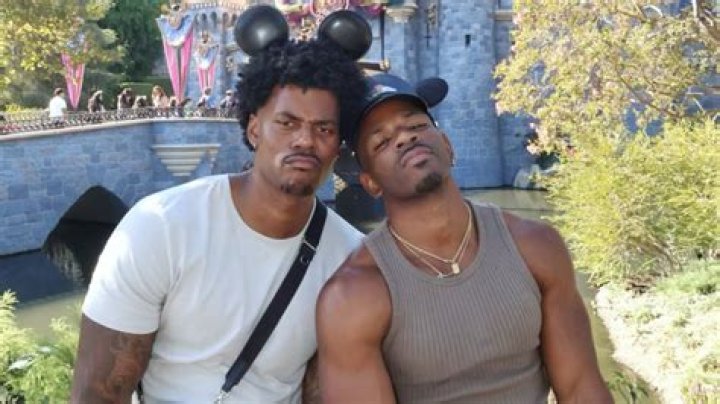
Jason Momoa is an American actor who identifies as having Native Hawaiian ancestry.
Momoa's racial identity has been a topic of discussion in the media, as he has been praised for his representation of Native Americans in film and television. However, some critics have also accused him of cultural appropriation.
Momoa's case is a reminder of the complex and often contentious issue of racial identity in America. As the country becomes increasingly diverse, it is important to have open and honest conversations about race and culture.
Jason Momoa's Race
Jason Momoa's racial identity has been a topic of discussion in the media, as he has been praised for his representation of Native Americans in film and television. However, some critics have also accused him of cultural appropriation. His case is a reminder of the complex and often contentious issue of racial identity in America.
- Native Hawaiian
- Representation
- Cultural appropriation
- Racial identity
- Diversity
- Inclusion
- Culture
- History
- Identity
- America
These key aspects are all interconnected and complex. They reflect the many different dimensions of racial identity in America. Momoa's case is just one example of the challenges and opportunities that come with increasing diversity. As the country continues to change, it is important to have open and honest conversations about race and culture.
Native Hawaiian
Native Hawaiian is an ethnic group indigenous to the Hawaiian Islands. They are descended from the original Polynesian settlers who arrived in Hawaii around 300-500 CE. Native Hawaiians have a rich culture and history, and they have made significant contributions to the world in areas such as navigation, agriculture, and music.
- Culture
Native Hawaiian culture is based on a deep respect for the land and the sea. Native Hawaiians have a strong sense of community and family, and they value tradition and spirituality. - History
Native Hawaiians have a long and complex history. They were once a powerful and independent nation, but they were overthrown by the United States in 1893. Native Hawaiians have since struggled to regain their sovereignty and self-determination. - Identity
Native Hawaiian identity is complex and multifaceted. Native Hawaiians are proud of their heritage and culture, but they also face challenges such as discrimination and poverty. - Jason Momoa
Jason Momoa is an American actor who identifies as having Native Hawaiian ancestry. Momoa has been praised for his representation of Native Americans in film and television, but he has also been accused of cultural appropriation. Momoa's case is a reminder of the complex and often contentious issue of racial identity in America.
Native Hawaiians are a resilient people who have faced many challenges throughout their history. They continue to fight for their rights and their culture, and they are an important part of the American story.
Representation
Representation is the portrayal of a particular group of people in the media. It can be positive or negative, and it can have a significant impact on how people view that group. In the case of Native Americans, representation has been a contentious issue for many years.
- Positive Representation
Positive representation can help to break down stereotypes and promote understanding. For example, Jason Momoa's portrayal of Aquaman in the 2018 film was praised for its positive representation of Native Americans. Momoa is of Native Hawaiian descent, and he brought a sense of authenticity to the role. - Negative Representation
Negative representation can perpetuate stereotypes and reinforce harmful beliefs. For example, the portrayal of Native Americans as savages in old Western films is a negative stereotype that has had a lasting impact on how Native Americans are viewed in society. - The Importance of Accurate Representation
Accurate representation is important for a number of reasons. First, it can help to educate people about different cultures and perspectives. Second, it can help to break down stereotypes and promote understanding. Third, it can empower members of marginalized groups by giving them a voice in the media. - Jason Momoa and Representation
Jason Momoa is a powerful example of the importance of representation. As a Native Hawaiian actor, he has used his platform to promote positive representation of Native Americans in the media. Momoa's work is helping to break down stereotypes and promote understanding of Native American culture.
Representation is a complex issue, but it is an important one. By increasing the visibility of marginalized groups in the media, we can help to create a more just and equitable society.
Cultural appropriation
Cultural appropriation is the adoption or use of elements of one culture by members of another culture, often without the original culture's consent. This can include the use of clothing, hairstyles, music, or other cultural practices. Cultural appropriation can be a form of flattery, but it can also be seen as a form of disrespect or theft.
- Definition
Cultural appropriation is the adoption or use of elements of one culture by members of another culture, often without the original culture's consent. - Controversy
Cultural appropriation is a controversial issue, as some people believe that it is a form of flattery, while others believe that it is a form of disrespect or theft. - Jason Momoa
Jason Momoa is an American actor who identifies as having Native Hawaiian ancestry. He has been accused of cultural appropriation for wearing Native American headdresses and other cultural items. - Cultural Exchange
Cultural appropriation can also be seen as a form of cultural exchange, as it can lead to a greater understanding and appreciation of different cultures.
Ultimately, the issue of cultural appropriation is a complex one with no easy answers. It is important to be aware of the potential for cultural appropriation and to approach other cultures with respect.
Racial identity
Racial identity is a complex and multifaceted concept. It is shaped by a variety of factors, including our physical appearance, our culture, our personal experiences, and the way that others perceive us. Racial identity can be a source of pride and strength, but it can also be a source of discrimination and oppression.
Jason Momoa is an American actor who identifies as having Native Hawaiian ancestry. He has spoken about the importance of racial identity in his own life, and he has used his platform to raise awareness about the challenges that Native Americans face.
Momoa's case is a reminder that racial identity is a powerful force in our society. It can shape our opportunities, our relationships, and our sense of self. It is important to be aware of the role that racial identity plays in our lives, and to challenge the stereotypes and prejudices that can divide us.
Diversity
Diversity is the presence of a wide range of human characteristics within a group of people. It can include differences in race, ethnicity, gender, sexual orientation, socioeconomic status, age, physical abilities, religious beliefs, and political views. Diversity can be a source of strength for a group, as it can bring together people with different perspectives and experiences. It can also lead to greater creativity and innovation.
- Inclusion
Inclusion is the practice of ensuring that all members of a group feel valued and respected. It means creating an environment where everyone feels comfortable sharing their ideas and perspectives. Inclusion is essential for creating a diverse and welcoming community.
- Equity
Equity is the practice of ensuring that all members of a group have access to the same opportunities and resources. It means creating a level playing field so that everyone can succeed. Equity is essential for creating a just and fair society.
- Respect
Respect is the practice of treating others with dignity and consideration. It means valuing their opinions and perspectives, even if they are different from our own. Respect is essential for creating a harmonious and productive community.
Diversity is a complex and multifaceted concept. It is important to be aware of the different dimensions of diversity and to challenge the stereotypes and prejudices that can divide us. By embracing diversity, we can create a more inclusive, equitable, and respectful society.
Inclusion
Inclusion is the practice of ensuring that all members of a group feel valued and respected. It means creating an environment where everyone feels comfortable sharing their ideas and perspectives. Inclusion is essential for creating a diverse and welcoming community, and it is also essential for addressing the challenges faced by marginalized groups, such as Native Americans.
- Representation
One important aspect of inclusion is representation. This means ensuring that all members of a group are represented in the media, in leadership positions, and in other areas of society. Representation is important because it allows people to see themselves reflected in the world around them, and it can help to break down stereotypes and prejudices.
- Access
Another important aspect of inclusion is access. This means ensuring that all members of a group have access to the same opportunities and resources. This includes access to education, healthcare, housing, and other essential services. Access is important because it allows people to reach their full potential and participate fully in society.
- Voice
Finally, it is important to ensure that all members of a group have a voice. This means creating opportunities for people to share their ideas and perspectives, and it means listening to what they have to say. Voice is important because it allows people to participate in decision-making and to advocate for their own needs.
Inclusion is a complex and multifaceted concept, but it is essential for creating a just and equitable society. By working to create more inclusive communities, we can help to break down the barriers that divide us and create a more welcoming and supportive world for all.
Culture
Culture is the sum total of the beliefs, values, customs, and behaviors of a group of people. It is what makes a group of people unique and distinct from other groups. Culture is passed down from generation to generation through socialization, and it can have a profound impact on an individual's life.
Jason Momoa is an American actor who identifies as having Native Hawaiian ancestry. His culture has had a significant impact on his life and career. Momoa has spoken about the importance of his culture in his life, and he has used his platform to raise awareness about the challenges that Native Americans face.
One of the most important aspects of Momoa's culture is his connection to the land. Native Hawaiians have a deep respect for the land and the sea, and they believe that all living things are connected. This connection to the land has shaped Momoa's worldview, and it is reflected in his work as an actor.
Another important aspect of Momoa's culture is his sense of community. Native Hawaiians have a strong sense of community and family, and they value tradition and spirituality. This sense of community has given Momoa a strong foundation in life, and it has helped him to succeed in his career.
Momoa's culture is an important part of his identity, and it has had a profound impact on his life and career. By understanding the connection between culture and race, we can better understand the experiences of people from different backgrounds.
History
History plays a crucial role in shaping the racial identity of Jason Momoa. His Native Hawaiian ancestry deeply connects him to the history and culture of his people. The experiences, struggles, and triumphs of his ancestors have left a lasting impact on his identity and worldview.
Understanding the history of Native Hawaiians is essential to comprehending the significance of Momoa's racial identity. The legacy of colonization, cultural assimilation, and ongoing efforts to preserve and revitalize Native Hawaiian culture shape his experiences and perspectives. By exploring the historical context, we gain a deeper appreciation of the challenges and opportunities faced by Native Hawaiians today.
Momoa's commitment to raising awareness about Native American issues is rooted in his understanding of history. He recognizes the importance of amplifying the voices of marginalized communities and advocating for their rights and representation. Through his platform as a public figure, he contributes to the ongoing struggle for social justice and racial equality.
In conclusion, the connection between history and Jason Momoa's race is profound. By delving into the rich tapestry of Native Hawaiian history, we gain a deeper understanding of his cultural heritage, his experiences, and his commitment to social change.
Identity
Identity is a complex and multifaceted concept that encompasses an individual's sense of self, their values, beliefs, and experiences. Racial identity is a significant aspect of overall identity, shaping an individual's perception of themselves and their place in the world. In the case of Jason Momoa, his racial identity as a Native Hawaiian profoundly influences his identity and life experiences.
- Cultural Heritage
Cultural heritage plays a crucial role in shaping racial identity. Momoa's Native Hawaiian ancestry connects him to a rich cultural legacy, including traditions, values, and beliefs. This heritage shapes his worldview, influences his artistic expressions, and informs his activism.
- Personal Experiences
Personal experiences also shape racial identity. Momoa's upbringing, interactions with others, and exposure to diverse cultures have influenced his understanding of race and his own identity. These experiences have contributed to his empathy, awareness, and commitment to social justice.
- Self-Perception
Self-perception is a key component of identity. Momoa's racial identity influences how he sees himself and his place in society. His experiences as a Native Hawaiian have shaped his self-awareness and contributed to his pride in his heritage.
- Social Context
Social context plays a significant role in shaping racial identity. The broader social and political context, including historical events, cultural norms, and prevailing attitudes, influences how individuals perceive and experience their racial identity. Momoa's identity is shaped by the ongoing struggles for recognition, representation, and justice faced by Native Americans.
In conclusion, the connection between identity and Jason Momoa's race is deeply intertwined. His cultural heritage, personal experiences, self-perception, and the social context interact to shape his racial identity. Understanding these facets provides a comprehensive view of the complexities and nuances of racial identity and its significance in shaping individuals' lives and experiences.
America
The United States of America is a nation built upon the foundation of immigration and diversity. Throughout its history, America has welcomed people from all corners of the globe, shaping a vibrant and multicultural society. Jason Momoa, an American actor of Native Hawaiian descent, embodies the complexities and richness of racial identity in America.
- Melting Pot
America has long been known as a melting pot, a place where different cultures converge and blend. Momoa's heritage reflects this melting pot, as he proudly embraces his Native Hawaiian roots while also identifying as an American. His story exemplifies the ways in which diverse backgrounds can intertwine to create unique and multifaceted identities.
- Historical Context
America's history is inextricably linked to the experiences and struggles of Native Americans. Momoa's ancestry connects him to a legacy of resilience and cultural preservation. His platform as a public figure allows him to raise awareness about the ongoing challenges faced by Native American communities, contributing to the broader narrative of racial justice in America.
- Representation
Representation is crucial for fostering inclusivity and combating stereotypes. Momoa's prominent role in the entertainment industry provides visibility and representation for Native Americans. He challenges narrow portrayals and brings authenticity to his characters, inspiring audiences to embrace diversity and challenge societal norms.
- Social Activism
America has a long tradition of social activism and advocacy for equality. Momoa actively uses his voice to advocate for the rights and recognition of Native Americans. He supports organizations and initiatives dedicated to preserving Native American culture, promoting education, and empowering communities. His activism reflects the growing awareness and commitment to addressing historical injustices and fostering a more just and equitable society.
In conclusion, the connection between America and Jason Momoa's race offers a lens through which to examine the complexities of racial identity, the power of representation, and the ongoing struggle for social justice in America. Momoa's story serves as a reminder that America's strength lies in its diversity and that by embracing and celebrating our differences, we can create a truly inclusive and equitable society.
FAQs on Jason Momoa's Race
Jason Momoa, an American actor of Native Hawaiian descent, has sparked discussions and raised awareness about racial identity. Here are some frequently asked questions and their respective answers to shed light on this topic:
Question 1: What is Jason Momoa's racial background?
Jason Momoa identifies as a Native Hawaiian, with ancestry that traces back to the indigenous people of the Hawaiian Islands.
Question 2: How does Momoa's racial identity influence his work?
Momoa's heritage and cultural experiences shape his artistic expressions and activism. He uses his platform to advocate for the recognition and rights of Native Americans, contributing to broader conversations on racial justice.
Question 3: What is the significance of representation in Momoa's career?
Momoa's prominent roles in the entertainment industry provide visibility and representation for Native Americans, challenging stereotypes and offering authentic portrayals.
Question 4: How does Momoa's activism contribute to social discourse?
Momoa actively supports organizations and initiatives dedicated to preserving Native American culture, promoting education, and empowering communities. His advocacy raises awareness about the challenges faced by Native Americans and fosters a more inclusive society.
Question 5: What are some of the misconceptions surrounding Momoa's racial identity?
Some misconceptions may arise from a lack of understanding about Native Hawaiian culture and history. It's crucial to approach discussions on racial identity with sensitivity and seek accurate information from credible sources.
Question 6: How can we foster a better understanding of racial identity?
Embracing diversity, educating ourselves about different cultures, and engaging in respectful dialogue can help us appreciate and understand the complexities of racial identity. By valuing inclusivity and challenging biases, we can create a more just and equitable society.
In conclusion, Jason Momoa's racial identity as a Native Hawaiian is multifaceted and deeply connected to his personal experiences, cultural heritage, and social activism. His story highlights the importance of representation, challenges stereotypes, and contributes to ongoing discussions on racial justice in America.
...
Jason Momoa's Race
Jason Momoa's racial identity as a Native Hawaiian has sparked discussions and raised awareness about the multifaceted nature of race and its significance in contemporary society. Here are several key takeaways to consider:
Tip 1: Understanding Cultural Heritage
Momoa's Native Hawaiian ancestry connects him to a rich cultural legacy. His experiences, values, and beliefs are shaped by this heritage, influencing his artistic expressions and advocacy work.
Tip 2: Importance of Representation
Momoa's prominent roles in the entertainment industry provide visibility and representation for Native Americans. He challenges stereotypes and brings authenticity to his characters, inspiring audiences to embrace diversity.
Tip 3: Activism and Social Justice
Momoa actively uses his platform to advocate for the rights and recognition of Native Americans. He supports organizations dedicated to preserving Native American culture, promoting education, and empowering communities.
Tip 4: Challenging Misconceptions
To foster a better understanding of racial identity, it's crucial to challenge misconceptions about Native Hawaiian culture and history. Accurate information from credible sources can help dispel stereotypes.
Tip 5: Embracing Diversity and Inclusion
Appreciating and understanding racial identity involves embracing diversity and engaging in respectful dialogue. Valuing inclusivity and challenging biases contribute to a more just and equitable society.
Summary
Jason Momoa's racial identity as a Native Hawaiian showcases the complexities of race, the power of representation, and the ongoing struggle for social justice in America. His story serves as a reminder that embracing diversity and promoting understanding are essential for creating a truly inclusive and equitable society.
Conclusion
Jason Momoa's racial identity as a Native Hawaiian has sparked discussions about the multifaceted nature of race and its significance in contemporary society. His heritage, experiences, and platform provide a unique lens through which to explore issues of representation, social justice, and cultural preservation.
Momoa's journey highlights the importance of embracing diversity, challenging stereotypes, and advocating for the rights of marginalized communities. His story serves as a reminder that racial identity is complex and fluid, shaped by a multitude of factors. By valuing inclusivity and fostering understanding, we can create a more just and equitable society where everyone feels valued and respected.
Unveiling The Secrets Of "Haerin Height": Discoveries And Insights
Unveil Casablanca's Gem: Uncover The Secrets Of Novotel Casablanca City Center
Unveiling Skeet Ulrich's Cinematic Legacy: A Journey Of Discovery
Jason Momoa Ethnicity, Race, Religion and Nationality
Jason Momoa stepped into the Hollywood spotlight on Baywatch Hawaii and
The Beginning\r Jason Image 1 from Ten Things to Know About Jason