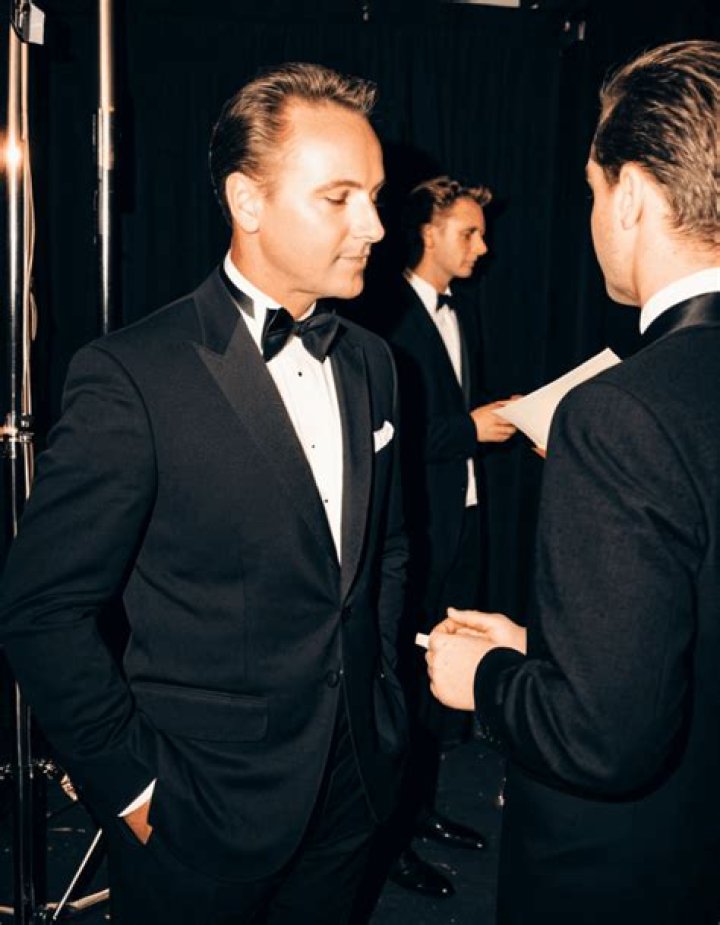
"Camp" is a style that revels in exaggeration, irony, and artifice. When applied to photography, it results in images that are intentionally over-the-top, self-aware, and often humorous. This approach can be used to critique societal norms, celebrate diversity, or simply create visually arresting images.
The "camp for all photos" movement is a relatively recent development, gaining popularity in the early 2010s. Today, it is a global phenomenon, with photographers from all backgrounds and experience levels embracing the camp aesthetic. This movement has helped to break down traditional boundaries in photography, making it more inclusive and accessible.
Camp photography has been featured in major art exhibitions, fashion magazines, and advertising campaigns. It has also been used to raise awareness for social and political issues. This style continues to evolve and expand, and it is likely to remain a significant force in photography for years to come.
Camp for All Photos
Camp is a style that revels in exaggeration, irony, and artifice. When applied to photography, it results in images that are intentionally over-the-top, self-aware, and often humorous. This approach can be used to critique societal norms, celebrate diversity, or simply create visually arresting images.
- Exaggerated: Camp photography often features exaggerated poses, expressions, and colors.
- Ironic: Camp photography often uses irony to critique societal norms or to simply create a sense of humor.
- Artificial: Camp photography often uses artificial lighting, props, and sets to create a sense of unreality.
- Inclusive: Camp photography is open to people of all ages, races, genders, and sexual orientations.
- Accessible: Camp photography is a relatively easy style to learn, making it accessible to photographers of all skill levels.
- Fun: Camp photography is all about having fun and expressing yourself creatively.
- Critical: Camp photography can be used to critique societal norms and to raise awareness for social and political issues.
- Challenging: Camp photography can challenge traditional notions of beauty and photography.
- Evolving: Camp photography is a constantly evolving style, with new trends emerging all the time.
Camp photography is a diverse and inclusive style that can be used to express oneself creatively and to challenge societal norms. It is a fun and accessible style that is perfect for photographers of all ages and skill levels.
Exaggerated
Exaggeration is a key element of camp photography. This can be seen in the poses, expressions, and colors that are used. Exaggerated poses can create a sense of humor or irony, while exaggerated expressions can convey a range of emotions, from joy to sadness to anger. Exaggerated colors can also be used to create a sense of unreality or to draw attention to a particular element of the photo.
- Poses: Camp photographers often use exaggerated poses to create a sense of humor or irony. For example, a photographer might pose a subject in a way that is unnatural or awkward, or they might have the subject make a silly or exaggerated expression.
- Expressions: Camp photographers often use exaggerated expressions to convey a range of emotions. For example, a photographer might have a subject smile broadly or cry dramatically, or they might have the subject make a face that is both funny and unsettling.
- Colors: Camp photographers often use exaggerated colors to create a sense of unreality or to draw attention to a particular element of the photo. For example, a photographer might use bright, saturated colors to create a sense of excitement or energy, or they might use dark, muted colors to create a sense of mystery or foreboding.
Exaggeration is a powerful tool that can be used to create a variety of effects in camp photography. By exaggerating poses, expressions, and colors, photographers can create images that are humorous, ironic, or simply visually arresting.
Ironic
Irony is a key element of camp photography. This can be seen in the way that camp photographers often use irony to critique societal norms or to simply create a sense of humor. For example, a camp photographer might take a photo of a person wearing a stereotypical outfit or making a stereotypical gesture, but do so in a way that is ironic or humorous.
This use of irony is important because it allows camp photographers to challenge societal norms and to make fun of themselves and others. It also allows them to create images that are both visually appealing and thought-provoking.
Here are some examples of how camp photographers have used irony to critique societal norms or to simply create a sense of humor:
- Photographer Cindy Sherman has created a series of self-portraits in which she dresses up as different female stereotypes, such as the housewife, the career woman, and the seductress. However, Sherman's portraits are often ironic and humorous, as she often exaggerates the stereotypes and makes fun of the way that women are often portrayed in the media.
- Photographer Richard Prince has created a series of works in which he appropriates images from advertising and other sources. Prince's works are often ironic and humorous, as he often changes the context of the images or adds his own commentary to them.
- Photographer John Waters has created a series of films that are often campy and ironic. Waters' films often deal with taboo subjects, such as homosexuality, transvestism, and murder. However, Waters' films are also often funny and entertaining, as he uses humor to challenge societal norms and to make fun of himself and others.
The use of irony in camp photography is a powerful tool that can be used to challenge societal norms, to make fun of oneself and others, and to create visually appealing and thought-provoking images.
Artificial
Artificial lighting, props, and sets are essential tools for camp photographers. These elements allow photographers to create a sense of unreality that is central to the camp aesthetic. By using artificial lighting, props, and sets, camp photographers can create images that are both visually appealing and thought-provoking.
- Lighting: Artificial lighting can be used to create a variety of effects in camp photography. For example, a photographer might use harsh lighting to create a sense of drama or mystery, or they might use soft lighting to create a sense of intimacy or vulnerability.
- Props: Props can be used to add humor, irony, or symbolism to camp photographs. For example, a photographer might use a prop such as a rubber chicken to create a sense of humor, or they might use a prop such as a mirror to create a sense of irony or self-reflection.
- Sets: Sets can be used to create a specific environment or atmosphere in camp photographs. For example, a photographer might use a set such as a living room to create a sense of domesticity, or they might use a set such as a forest to create a sense of mystery or adventure.
The use of artificial lighting, props, and sets is an important part of camp photography. These elements allow photographers to create a sense of unreality that is central to the camp aesthetic. By using these elements, camp photographers can create images that are both visually appealing and thought-provoking.
Inclusive
The inclusive nature of camp photography is essential to its mission of creating a space where everyone feels welcome and represented. Camp photography is open to people of all ages, races, genders, and sexual orientations, and this inclusivity is reflected in the diversity of the photographers and subjects who participate in the movement.
This inclusivity is important for several reasons. First, it allows camp photography to be a truly democratic art form, open to anyone who wants to participate. Second, it allows camp photography to reflect the diversity of the world around us, and to challenge narrow and exclusionary notions of beauty and representation. Third, it creates a sense of community and belonging for people who may feel marginalized or excluded from other areas of society.
There are many examples of how camp photography has been used to promote inclusivity and challenge societal norms. For example, photographer Zanele Muholi has used camp photography to celebrate the beauty and diversity of black queer and gender-nonconforming people. Photographer Jack Halberstam has used camp photography to challenge traditional notions of masculinity and femininity. And photographer Richard Move has used camp photography to explore the intersections of race, gender, and sexuality.
The inclusivity of camp photography is a powerful force for change. It allows photographers to challenge societal norms, to celebrate diversity, and to create a more just and equitable world.
Conclusion
The inclusivity of camp photography is one of its most important features. It allows camp photography to be a truly democratic art form, to reflect the diversity of the world around us, and to create a sense of community and belonging for people who may feel marginalized or excluded from other areas of society.
Accessible
The accessibility of camp photography is essential to its mission of creating a space where everyone feels welcome and represented. Camp photography is open to people of all ages, races, genders, and sexual orientations, and this inclusivity is reflected in the diversity of the photographers and subjects who participate in the movement.
The fact that camp photography is relatively easy to learn makes it even more accessible to a wider range of people. This is important because it allows people who may not have formal training in photography to participate in the movement and to express themselves creatively. It also allows people who may not have access to expensive equipment or resources to participate in camp photography.
There are many examples of how camp photography has been used to promote inclusivity and challenge societal norms. One example is the work of photographer Zanele Muholi, who has used camp photography to celebrate the beauty and diversity of black queer and gender-nonconforming people. Another example is the work of photographer Jack Halberstam, who has used camp photography to challenge traditional notions of masculinity and femininity.
The accessibility of camp photography is a powerful force for change. It allows photographers to challenge societal norms, to celebrate diversity, and to create a more just and equitable world.
Fun
Camp photography is all about having fun and expressing yourself creatively. This means that there are no rules when it comes to camp photography, and anything goes. You can use any props, costumes, or sets that you want, and you can experiment with different lighting and angles to create your own unique style.
- Freedom of Expression
One of the best things about camp photography is that it gives you the freedom to express yourself creatively. You can use camp photography to explore your own identity, to challenge societal norms, or to simply have fun. There are no limits to what you can create with camp photography.
- Community and Connection
Camp photography is also a great way to connect with other people who share your interests. There are many online and offline communities where you can share your work and connect with other camp photographers. This can be a great way to learn new techniques, get feedback on your work, and make new friends.
- Personal Growth
Camp photography can also be a great way to learn about yourself and grow as a person. By experimenting with different styles and techniques, you can learn more about what you like and what you don't like. You can also learn how to express yourself more creatively and to challenge your own assumptions.
Camp photography is a great way to have fun, express yourself creatively, and connect with others. It is a unique and inclusive art form that is open to everyone.
Critical
Camp photography is often used as a tool for social and political critique. This is because camp's inherent irony and exaggeration can be used to highlight the absurdity of certain social norms and political policies. For example, camp photographers might use humor to critique consumerism, homophobia, or racism.
One well-known example of camp photography being used for social critique is the work of photographer Cindy Sherman. Sherman's photographs often feature herself dressed up in stereotypical female costumes, such as the housewife, the career woman, and the seductress. However, Sherman's photographs are often ironic and humorous, as she often exaggerates the stereotypes and makes fun of the way that women are often portrayed in the media.
Camp photography can also be used to raise awareness for social and political issues. For example, camp photographers might use their work to raise awareness for LGBTQ rights, climate change, or poverty. By using humor and irony, camp photographers can make these issues more accessible and engaging to a wider audience.
The critical component of camp photography is essential to its mission of creating a space where everyone feels welcome and represented. By using camp photography to critique societal norms and to raise awareness for social and political issues, camp photographers can challenge the status quo and create a more just and equitable world.
Challenging
Camp photography is a unique and diverse art form that has the power to challenge traditional notions of beauty and photography. This is due in part to camp's inherent irony and exaggeration, which can be used to highlight the absurdity of certain social norms and aesthetic conventions.
- Deconstructing Beauty Standards
Camp photography often challenges traditional beauty standards by presenting images that are intentionally over-the-top, artificial, or unconventional. This can help to break down narrow and exclusive definitions of beauty and to promote a more inclusive and diverse representation of bodies and identities.
- Questioning Photographic Conventions
Camp photography also challenges traditional photographic conventions by using unconventional techniques and styles. This can include using bright and saturated colors, exaggerated poses, and artificial lighting. By breaking away from traditional photographic conventions, camp photographers can create images that are visually arresting and thought-provoking.
- Exploring Identity and Expression
Camp photography can be a powerful tool for exploring identity and expression. By using camp aesthetics, photographers can create images that are both personal and political. This can help to challenge narrow and exclusionary notions of identity and to create a more inclusive and diverse representation of the human experience.
- Fostering Inclusivity and Acceptance
Camp photography can also foster inclusivity and acceptance by celebrating diversity and challenging societal norms. By creating images that are inclusive of different bodies, identities, and experiences, camp photographers can help to create a more just and equitable world.
The challenge to traditional notions of beauty and photography is an essential part of camp photography's mission of creating a space where everyone feels welcome and represented. By challenging the status quo, camp photographers can help to create a more inclusive and diverse world.
Evolving
The ever-changing nature of camp photography is integral to its identity as a dynamic and inclusive art form. As society's norms and aesthetics shift, so too does the expression of camp in photography. This fluidity allows camp photography to remain relevant and engaging, attracting new audiences and challenging traditional boundaries.
- Embracing Inclusivity
The evolution of camp photography has been marked by a growing embrace of inclusivity. Camp photographers are increasingly challenging narrow beauty standards and promoting diversity in representation. This shift reflects a broader cultural movement towards acceptance and celebration of all identities.
- Technological Advancements
Advancements in technology have also played a significant role in the evolution of camp photography. The advent of digital cameras and editing software has made it easier for photographers to experiment with new techniques and styles, leading to a proliferation of innovative camp aesthetics.
- Social Media and Online Communities
The rise of social media and online communities has provided a platform for camp photographers to connect, share their work, and inspire one another. These platforms have fostered a sense of community and collaboration, contributing to the rapid evolution of the style.
- Cross-Cultural Influences
Camp photography continues to evolve through cross-cultural influences. As photographers from diverse backgrounds bring their own perspectives and experiences to the art form, camp aesthetics are enriched and expanded. This exchange of ideas leads to a dynamic and ever-changing visual language.
The evolving nature of camp photography ensures its continued relevance and vitality. As the world around us changes, so too will the expression of camp in photography, reflecting the ever-shifting cultural landscape.
Frequently Asked Questions
This section addresses common inquiries and misconceptions regarding "camp for all photos." It provides concise and informative answers to clarify the concept and its significance.
Question 1: What is "camp for all photos"?
"Camp for all photos" refers to a movement in photography that embraces exaggeration, irony, and artifice. It encourages photographers to challenge conventional beauty standards and explore unconventional aesthetics.
Question 2: Why is inclusivity emphasized in camp photography?
Camp photography promotes inclusivity by celebrating diversity and challenging narrow societal norms. It aims to create a space where all identities and perspectives are represented and valued.
Question 3: How does camp photography contribute to social critique?
Camp photography often uses humor and irony to critique societal issues and challenge dominant ideologies. By exaggerating and distorting conventional imagery, it draws attention to social inequalities and injustices.
Question 4: What are some key characteristics of camp aesthetics?
Camp aesthetics are characterized by exaggerated poses, vibrant colors, artificial lighting, and a self-aware playfulness. Camp photographers often juxtapose familiar and unexpected elements to create visually striking and thought-provoking images.
Question 5: How has technology influenced the evolution of camp photography?
Digital photography and editing software have empowered camp photographers to experiment with new techniques and styles. The accessibility of these tools has contributed to the democratization of camp photography, making it more inclusive and diverse.
Question 6: What is the significance of camp photography in contemporary art?
Camp photography has gained recognition as a legitimate art form, challenging traditional notions of photography. It has been featured in major exhibitions and publications, and continues to inspire and influence artists worldwide.
In summary, "camp for all photos" promotes inclusivity, challenges societal norms, and celebrates diversity in photography. It is a constantly evolving art form that uses exaggeration, irony, and artifice to create visually arresting and thought-provoking images.
Transition to the next article section...
Tips for "Camp for All Photos"
Camp photography is a unique and expressive art form that encourages photographers to embrace exaggeration, irony, and artifice. By challenging conventional norms and celebrating diversity, camp photography creates a space for inclusivity and social critique. Here are some tips to help you incorporate the principles of camp into your photography:
Tip 1: Embrace Exaggeration
Exaggeration is a key element of camp photography. Don't be afraid to go over the top with your poses, expressions, and colors. The more exaggerated your images are, the more they will stand out and make a statement.
Tip 2: Use Irony and Humor
Camp photography often uses irony and humor to critique societal norms and challenge expectations. Use your images to poke fun at yourself, others, or the world around you. The more absurd your images are, the more likely they are to spark conversation and make people think.
Tip 3: Celebrate Diversity
Camp photography is all about inclusivity and celebrating diversity. Make sure your images represent a wide range of people, body types, and identities. The more diverse your images are, the more welcoming and representative your work will be.
Tip 4: Experiment with Lighting and Props
Lighting and props can be used to create a sense of camp in your photos. Use harsh lighting to create a dramatic effect, or use soft lighting to create a more intimate feel. Experiment with different props to add humor, irony, or symbolism to your images.
Tip 5: Don't Take Yourself Too Seriously
Camp photography is all about having fun and expressing yourself creatively. Don't take yourself too seriously, and don't be afraid to experiment with different styles and techniques. The more you experiment, the more you will learn about your own creativity and the more unique your images will be.
Conclusion
Camp photography is a powerful and versatile art form that can be used to express yourself creatively, challenge societal norms, and celebrate diversity. By following these tips, you can create campy images that are both visually arresting and thought-provoking.
Conclusion
Camp photography, an artistic movement characterized by its embrace of exaggeration, irony, and artifice, has emerged as a powerful tool for social critique, inclusivity, and creative expression. This article has explored the various aspects of "camp for all photos," from its historical roots to its contemporary manifestations.
Camp photography challenges traditional notions of beauty and photography, celebrating diversity and challenging societal norms. It provides a platform for underrepresented voices and perspectives, fostering a sense of acceptance and belonging. By embracing exaggeration and irony, camp photographers critique social inequalities and injustices, drawing attention to important issues in a thought-provoking and engaging manner.
As camp photography continues to evolve, it remains a vital and relevant art form that encourages photographers to push boundaries and explore new possibilities. Its focus on inclusivity and social critique ensures its continued significance in contemporary society.
Uncover The Untold Story Behind Drake With Pigtails
Unleash Your Dance Potential: Discover The World Of Heels Class
Discover The Art Of Photography Through The Lens Of Christopher G On Instagram